
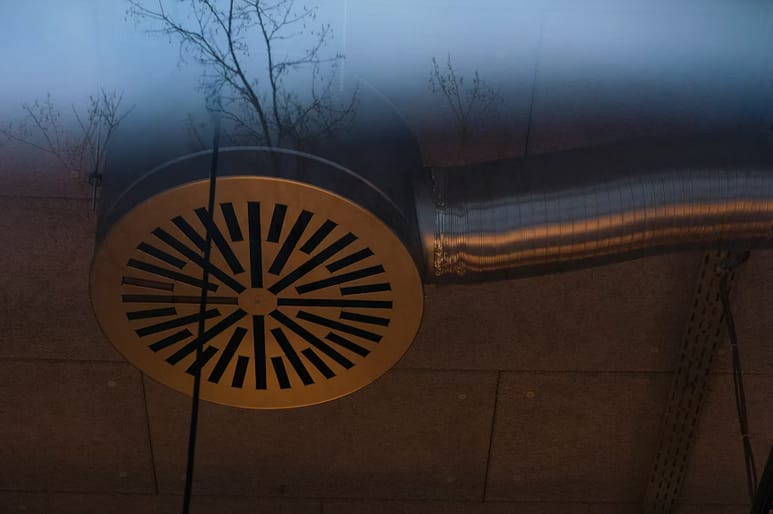
Indoor air quality affects daily comfort and long-term health. Many homeowners focus on cleaning visible surfaces while ignoring what circulates behind walls and ceilings. Air ducts move heated and cooled air throughout the home. Over time, dust, debris, allergens, and even mold can accumulate inside these systems. Without proper maintenance and the use of professional air duct cleaning equipment, contaminants continue to circulate. Air duct cleaning equipment plays a critical role in improving indoor air quality. Understanding how this equipment works helps homeowners see its direct impact on cleaner living spaces.
Understanding Contaminant Buildup

Air ducts collect particles gradually. Everyday activities such as cooking, cleaning, and moving around release dust into the air. Pet dander and pollen enter through doors and windows. Once inside the HVAC system, these particles settle within ductwork. Moisture can also create conditions for mold growth. Over time, the buildup thickens. When the system runs, air pushes these contaminants back into rooms. This repeated circulation lowers air quality and may trigger allergies or respiratory irritation. Cleaning equipment targets these hidden accumulations.
Using High-Powered Vacuum Systems
Professional duct cleaning relies heavily on industrial vacuum systems. These machines create strong negative pressure within ductwork. The vacuum draws loosened debris out of the system. Powerful suction prevents particles from escaping back into the home. Many systems include HEPA filtration. These filters capture fine particles before releasing air back into the environment. High-powered vacuums remove more than surface dust. They extract deeply embedded contaminants that standard household tools cannot reach.
Considering Agitation Tools That Loosen Stubborn Debris
Vacuum systems alone cannot remove heavy buildup. Agitation tools assist in breaking loose accumulated dirt. Rotary brushes spin along the interior walls of ducts. Air whips and compressed air tools dislodge particles from corners and seams. These tools work carefully within duct structures to avoid damage. Their purpose is to disturb compacted debris so it can be vacuumed effectively. Proper agitation ensures thorough cleaning rather than superficial dust removal.
Reducing Allergens and Irritants

Many homes contain allergens such as pollen, dust mites, and pet dander. When these particles settle inside ducts, they continue circulating through living spaces. Air duct cleaning equipment reduces these irritants significantly. Removing buildup lowers the concentration of airborne particles. This can benefit individuals with asthma or seasonal allergies. Cleaner ducts mean fewer contaminants reentering indoor air. Improved air quality supports a healthier home environment overall.
Improving HVAC System Efficiency
Dirty duct systems restrict airflow. Blockages force HVAC units to work harder to distribute air evenly. When airflow improves, systems operate more efficiently. Reduced strain may lower energy consumption and extend equipment lifespan. Cleaning equipment clears obstructions that interfere with ventilation. This improves both air quality and system performance. Efficient airflow also enhances temperature consistency throughout the home.
Addressing Mold and Moisture Issues
Moisture inside ductwork creates conditions for mold growth. Leaks, condensation, or high humidity levels contribute to this problem. Specialized cleaning equipment can remove mold contamination when handled correctly. In some cases, antimicrobial treatments are applied after cleaning. Eliminating mold from duct systems reduces the risk of spores circulating indoors. Early detection and removal prevent more extensive damage. Maintaining dry and clean ductwork supports healthier indoor conditions.
Supporting Odor Removal

Persistent odors sometimes originate from duct systems. Accumulated dust, mold, or trapped debris can create unpleasant smells. Cleaning equipment removes the source rather than masking it. Once contaminants are extracted, airflow improves, and odors diminish. Fresh air circulation enhances overall comfort. Homeowners often notice a cleaner scent immediately after professional service. Addressing duct-related odors contributes to improved living conditions.
Cleaning With Professional Equipment
While some homeowners attempt basic cleaning, professional equipment delivers more comprehensive results. Residential vacuum cleaners lack the power needed to create sufficient negative pressure. Improvised tools may leave debris behind. Professional-grade machines are designed specifically for duct systems. They balance suction strength with safe operation. Using proper equipment ensures that contaminants are removed effectively without damaging duct materials.
Indoor air quality directly influences comfort, health, and energy efficiency. Air duct cleaning equipment improves air conditions by removing dust, allergens, mold, and debris from HVAC systems. High-powered vacuums extract contaminants thoroughly. Agitation tools loosen buildup. HEPA filtration captures fine particles. Together, these technologies restore cleaner airflow throughout the home. Improved airflow supports HVAC performance and reduces energy strain. Removing irritants benefits individuals sensitive to airborne particles. Eliminating mold and odors enhances overall comfort.…

 Various harmful agents could contaminate the air circulating in your home if you do not clean the ducts. And if your loved ones inhale air with debris and dust particles, their health may be at risk. For these reasons, you need to clean your ducts at least once every four years or even more regularly if you notice dust in the air or foul smells from time to time.
 Home ventilation is an essential aspect of every household. A well-functioning HVAC system in your home undoubtedly consumes less energy. That said, maintaining such systems will help lower your energy bills. This is where air duct cleaning comes in.