
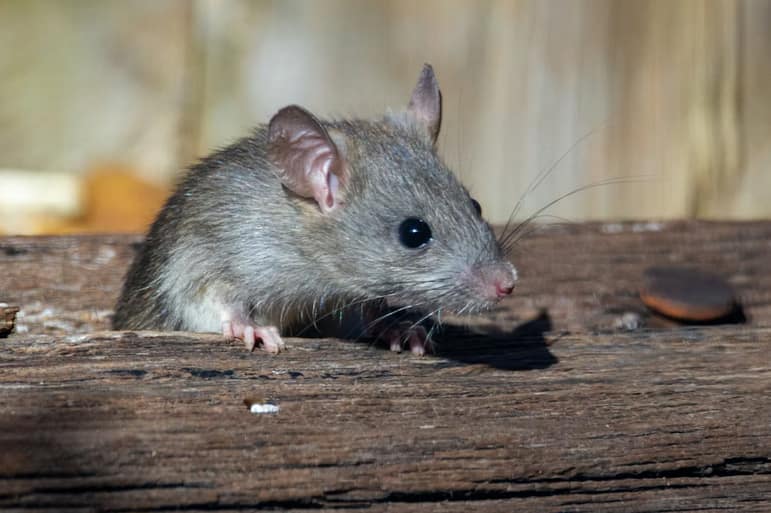
When people think about pest problems, they often blame cleanliness or the surrounding environment. But the truth is, pests are surprisingly interested in architecture. The way a home is designed—from its layout to its materials—can quietly roll out the welcome mat for insects and rodents. Cracks, voids, moisture traps, and cozy hiding spots aren’t design flaws to pests; they’re features. Understanding how design choices influence infestations is the first step toward building and maintaining a home that’s less appealing to unwanted guests.
Entry Points Hidden in Plain Sight
One of the biggest architectural contributors to infestations is the sheer number of entry points modern homes can have. Gaps around doors, windows that don’t seal properly, and small foundation cracks are practically invisible to homeowners but obvious to pests. Even well-built homes develop tiny shifts over time, creating openings that insects and rodents can exploit. This is often why professional Pest Specialists focus so much attention on structural details during inspections, because pests rarely need more than a fraction of an inch to gain access and start nesting.
Open Concepts and Easy Travel Routes

Open floor plans are popular for their airy feel, but they also make life easier for pests. Fewer walls and barriers mean insects and rodents can move freely from one area to another without obstruction. Once inside, they can quickly spread throughout the home, accessing food, water, and shelter with minimal resistance. While open designs look great, they often require extra attention to sealing and maintenance to prevent pests from enjoying the same freedom as homeowners.
Moisture as the Silent Invitation
Homes that trap moisture are especially attractive to pests. Bathrooms without proper ventilation, basements with poor drainage, and kitchens with slow leaks create damp environments that insects thrive in. Termites, cockroaches, and silverfish are particularly drawn to moisture-rich areas, where survival is easier, and competition is low. Architectural designs that overlook airflow and drainage don’t just risk mold; they create ideal ecosystems for pests to settle in and multiply unnoticed.
Building Materials That Attract Trouble

The materials used in construction can play a surprising role in infestations. Wood, especially when untreated or exposed to moisture, is a magnet for termites and carpenter ants. Certain insulation materials can also provide warmth and nesting opportunities for rodents. Even exterior finishes can matter; textured surfaces and layered siding give insects plenty of places to hide. Choosing durable, pest-resistant materials can significantly reduce long-term risks, especially in climates where infestations are common.
Landscaping and Structural Overlap
Architecture doesn’t stop at the walls of a home. When landscaping is designed too closely to the structure, pests gain easy access indoors. Trees touching roofs, dense shrubs against siding, and mulch piled near foundations act as bridges and shelters. This overlap between landscape and architecture blurs the boundary pests rely on to move from outdoors to indoors. Thoughtful spacing and design can help maintain that barrier without sacrificing curb appeal.
Pests don’t randomly choose homes; they respond to opportunities created by design. From moisture-prone layouts to overlooked entry points, architecture quietly shapes how inviting a house is to infestation. By recognizing these design-related risk factors, homeowners can make smarter choices that discourage pests before they ever move in. A home designed with prevention in mind isn’t just more comfortable—it’s far less likely to become a shared space with unwanted inhabitants.…